Building out new physical stores or establishing temporary seasonal sites frequently stalls due to multi-week fiber or cable provisioning timelines. Inseego indoor cellular routers and FastMile gateways function as high-capacity primary gateways, delivering rapid 5G connectivity the day a location opens. This allows retailers to launch cloud-based point-of-sale networks, digital signage, and manager portals instantly, maximizing revenue potential from day one.

5G for retail
Trusted by leading companies

Inseego understands the need for robust & reliable connectivity for the retail locations
Modern retail stores require high-uptime network infrastructure to support omnichannel operations, inventory management, and point-of-sale applications. Integrating cellular 5G connectivity into store branches eliminates deployment delays associated with wireline installation, creating a high-bandwidth, low-latency data path. This enables brands to run critical retail technology, including real-time inventory systems, digital signage, and security analytics, directly at the store level to maintain stable supply chain workflows and constant checkout availability.
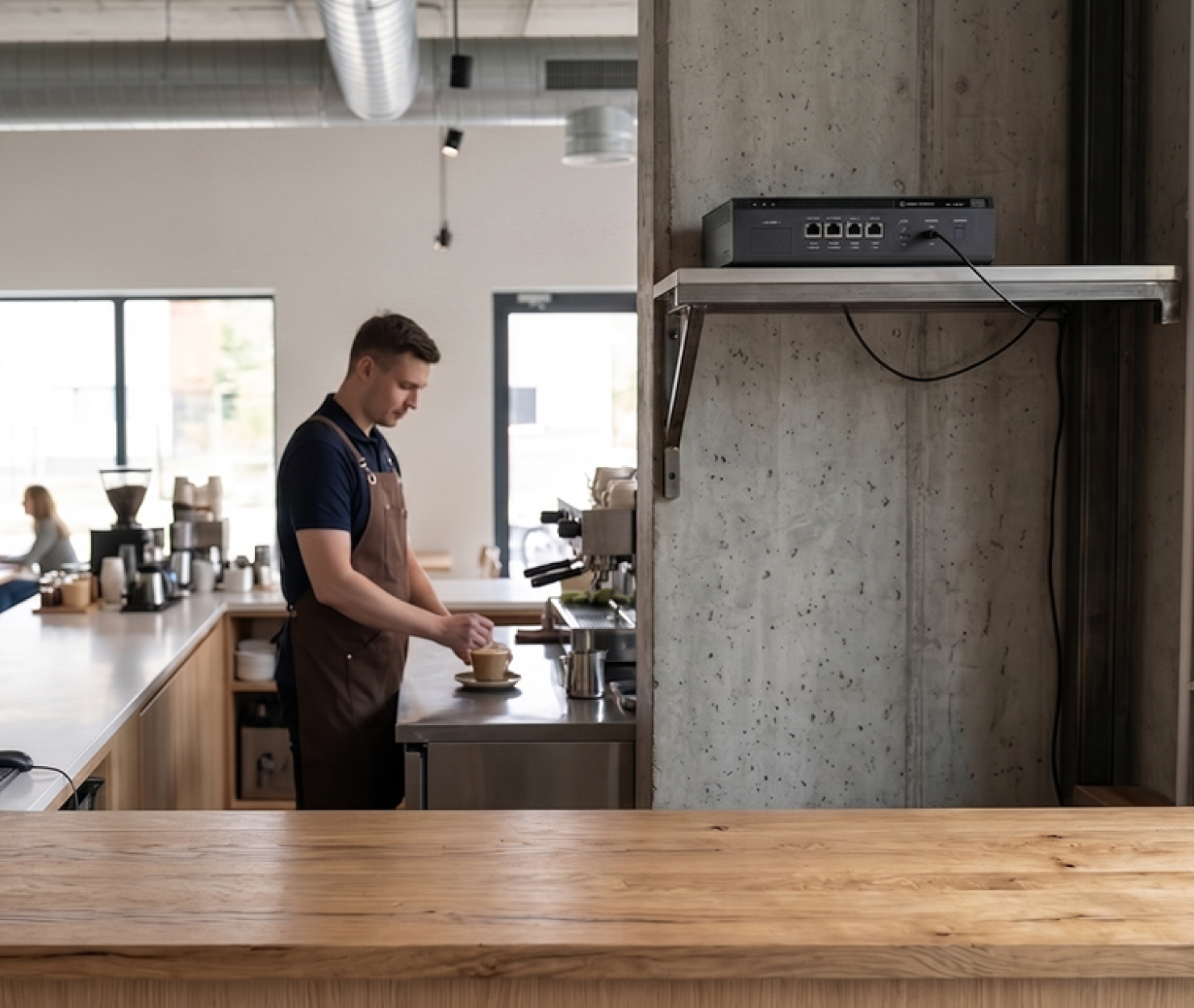
Instant store onboarding, POS backup & high-density IoT orchestration with Inseego cellular routers & FastMile gateways
Primary broadband for rapid store onboarding and pop-up retail experiences
High-capacity Wi-Fi 7 access point for multi IoT device stores
Modern store floors are dense ecosystems of connected retail technology that strain standard routers. Featuring integrated Wi-Fi 7 and Wi-Fi 6 access points supporting from 64 connections up to 256 simultaneously connected devices on high-tier models (like the FX4200 and FastMile Wi-Fi 7 gateway), Inseego indoor routers provide clean, low-latency local data routing. This high-density capacity ensures that real-time inventory trackers, augmented reality for immersive experiences, localized smart shelves, and automated pricing tags communicate smoothly without competing for local wireless bandwidth.
Isolated network slicing for secure interactive guest Wi-Fi
Blending operational store data with customer-facing networks creates severe security risks. Utilizing advanced software configuration options, IT teams can partition the router's connection into completely isolated local networks. This allows a branch to offer high-speed public Wi-Fi for shoppers and stream high-resolution content to interactive digital signage while keeping sensitive point-of-sale transactions and internal back-office metrics completely secure.
Dual-WAN automated failover with dual-SIM backup to safeguard point-of-sale transactions
A dropped network connection stops credit card processing, disrupts client checkouts, and damages the overall retail experience. To prevent these costly store disruptions, Inseego routers and FastMile gateways introduce automated WAN prioritization. If a store's primary wired link experiences an outage, the device automatically shifts critical transactional and e-commerce synchronization traffic to a backup 5G network in milliseconds. Furthermore, integrated dual-SIM slots provide an additional layer of cellular redundancy; if the primary carrier drops signal, the router automatically switches to a secondary mobile provider, ensuring the point-of-sale system remains continuously online.
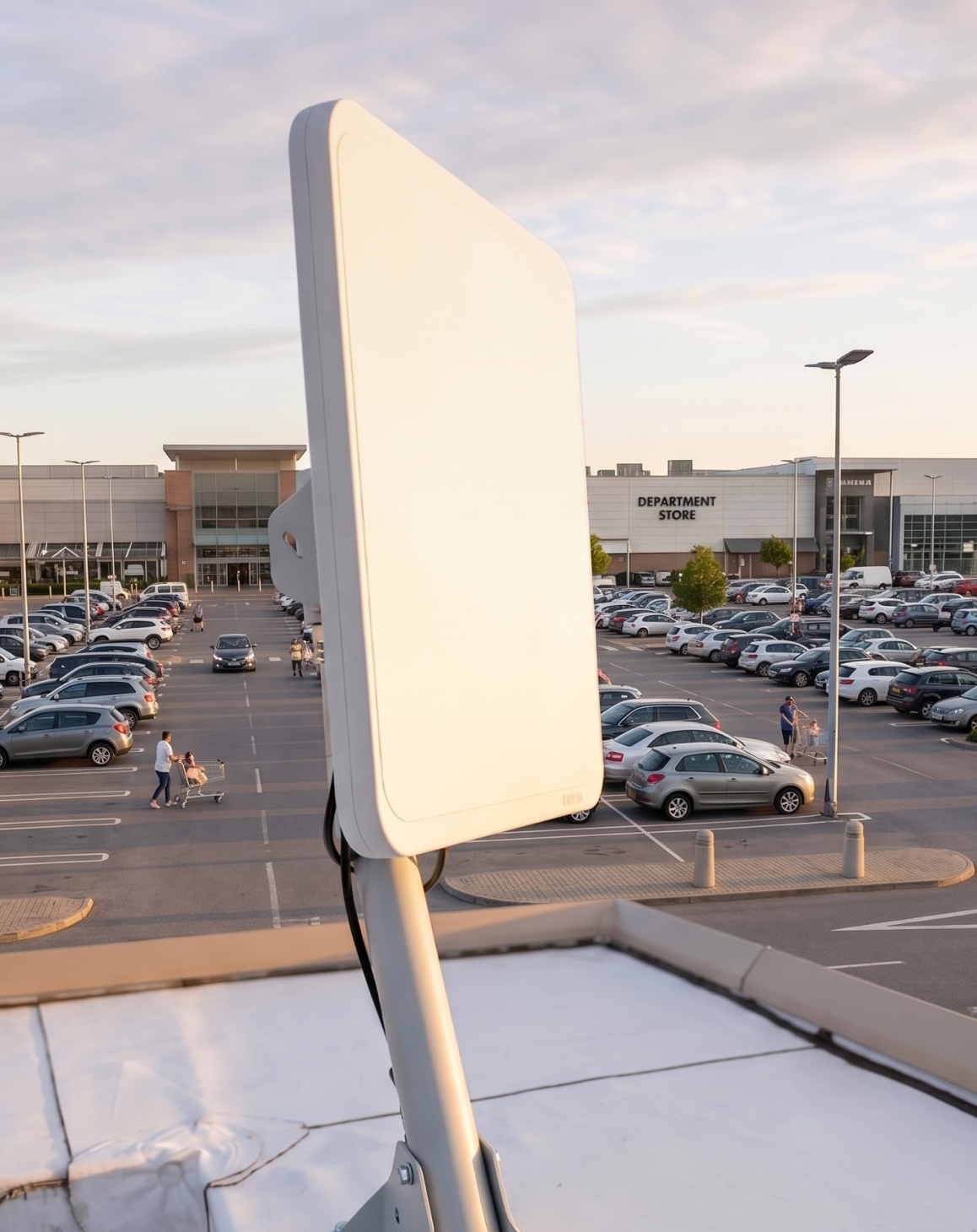
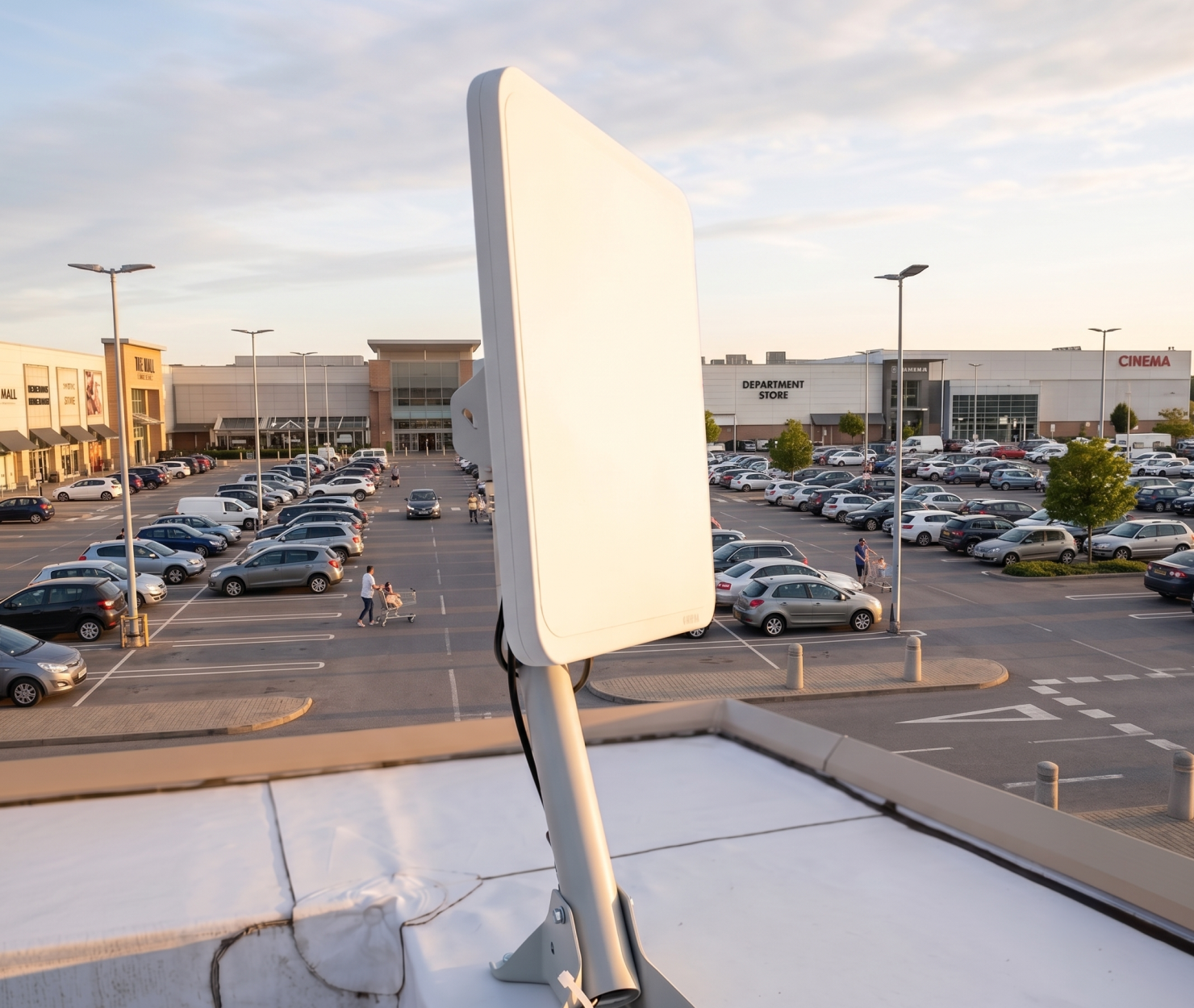
High-gain signal for remote retail storefronts & shopping centers with Inseego FWA receivers
Exterior high-gain signal capture to bypass dense retail building structures:
Physical stores are often constructed with heavy concrete, low-E glass, and reinforced steel, materials that severely degrade indoor 5G connectivity. Inseego outdoor FWA receivers circumvent this barrier entirely by mounting directly to the building's exterior roof or facade. Utilizing integrated high-gain directional sub-6 antennas (up to 18 dBi) and ultra-wideband mmWave phased arrays (up to 28 dBi), they pull in cellular signals from distant mobile towers and drop them via Power over Ethernet (PoE) directly to the indoor router, ensuring maximum network performance on the sales floor.
Long-range signal optimization for rural storefronts and edge-of-town centers
Expanding the footprint of a brand into rural regions or remote strip malls often means dealing with substandard local wireline infrastructure. High-gain outdoor receivers overcome these rural bandwidth limitations by using targeted directional beams to lock onto cellular towers miles away. This provides remote storefronts with the robust 5G network capacity required to support modern retail technology, such as digital display boards, high-speed wi-fi networks, and cloud-based inventory management systems that would otherwise be impossible on legacy connections.
Multi-carrier dual-SIM failover to prevent store disruptions
To protect large-scale storefronts and high-volume retail locations from single-carrier network dropouts, Inseego outdoor receivers feature dual-SIM slots with automated switching logic. If the primary service provider experiences an outage, the hardware instantly transfers the data plane to a backup cellular network, preventing transactional disruptions and keeping digital sales pipelines fully operational.
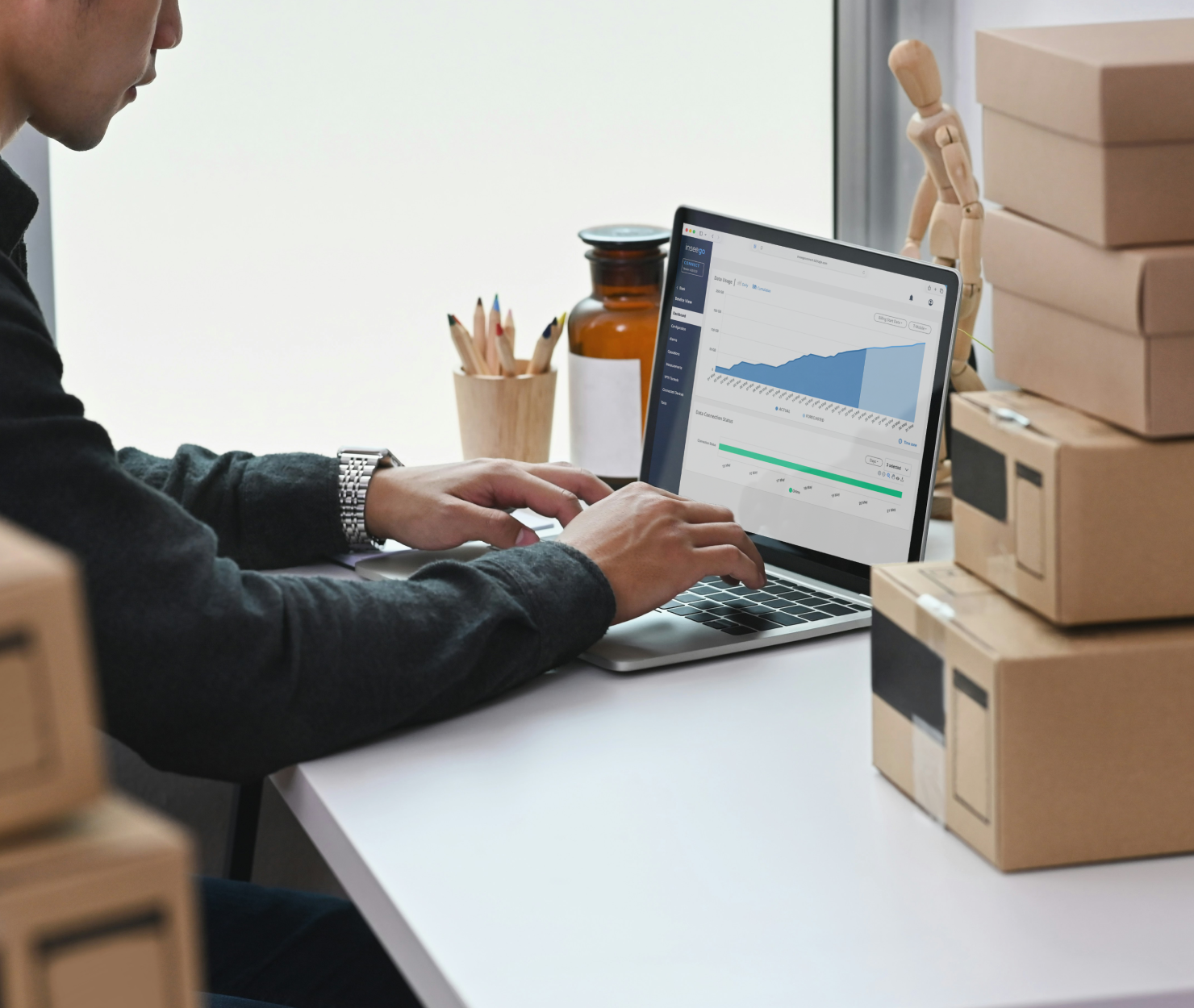
Cloud orchestration & distributed branch management with Inseego Connect
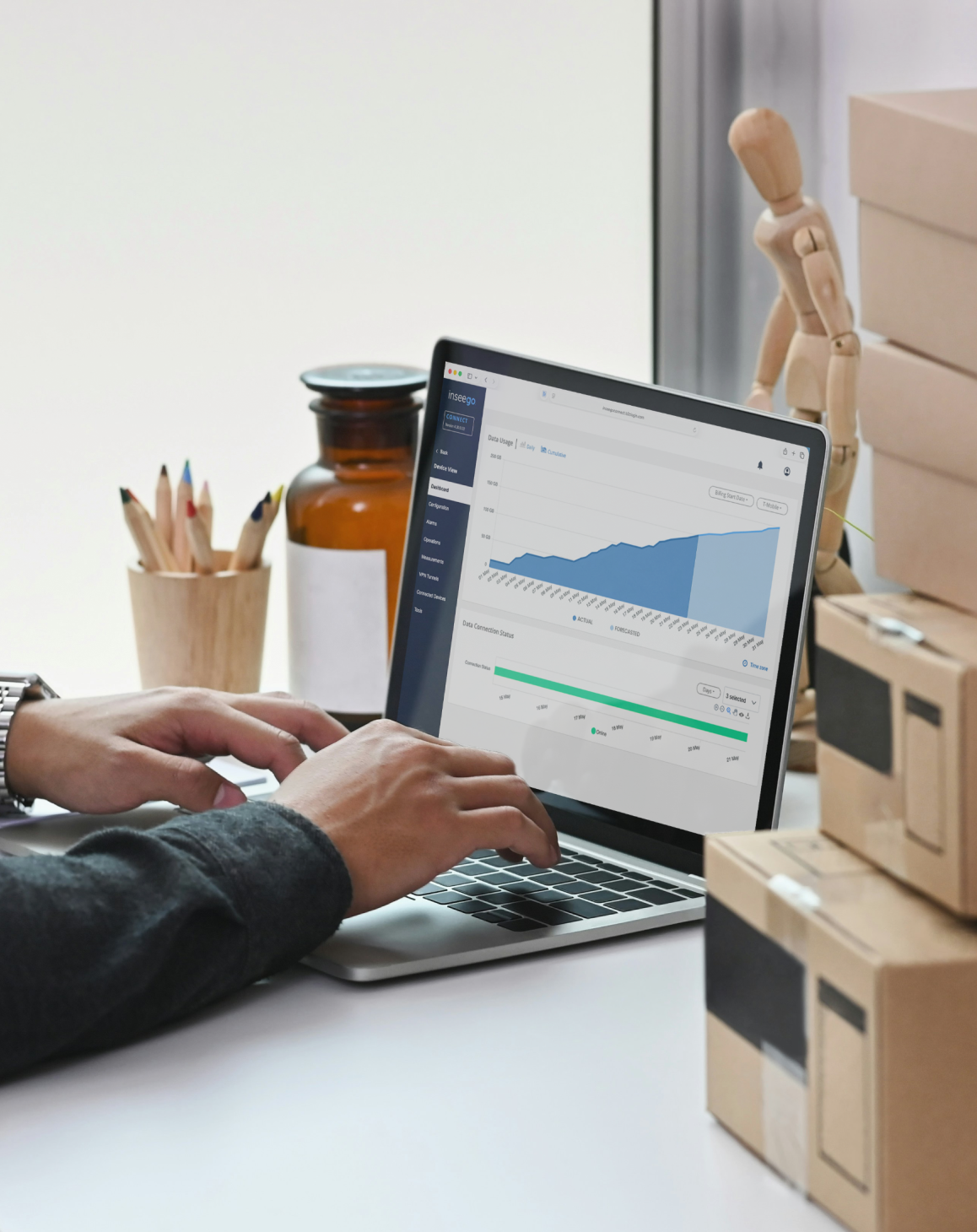
Centralized network visibility across thousands of distributed retail locations
Managing individual internet connections for a nationwide retail footprint is inefficient for lean IT teams. Inseego Connect provides corporate administrators with a centralized cloud platform to monitor the online status, signal strength, and cellular data usage of every edge router and gateway across all storefronts. This allows teams to detect local network drops or hardware disconnects instantly, keeping critical store operations running smoothly.
Zero-touch template provisioning for rapid new store openings
Scaling a retail brand requires setting up new branches quickly without deploying specialized IT staff to each site. Through the cloud management portal, network engineers can build standardized security policies, Wi-Fi access configurations, and carrier rules. When new hardware is shipped directly to a storefront, the local manager simply plugs it in; the device automatically connects to the cloud, downloads its pre-assigned profile, and brings the store's network online in minutes.
Remote out-of-band troubleshooting to eliminate expensive store truck rolls
When a core switch, firewall, or credit card processing terminal freezes at a remote retail branch, traditional troubleshooting requires scheduling an expensive on-site technician. By connecting an Inseego router's USB port directly to the console port of adjacent third-party hardware, IT teams can open a secure cloud terminal window inside the management dashboard. This allows engineers to pass commands and reboot unresponsive third-party equipment remotely over the cellular network, minimizing store downtime.
Automated compliance monitoring and firmware scheduling to secure transactional data
Maintaining strict PCI compliance across an entire retail organization requires keeping all network endpoints updated against security vulnerabilities. The platform allows administrators to schedule automated, multi-device firmware updates during non-business hours, preventing disruptions to daytime sales. It also monitors device configuration drift, alerting the security team if a local store setting is altered from the approved corporate baseline.
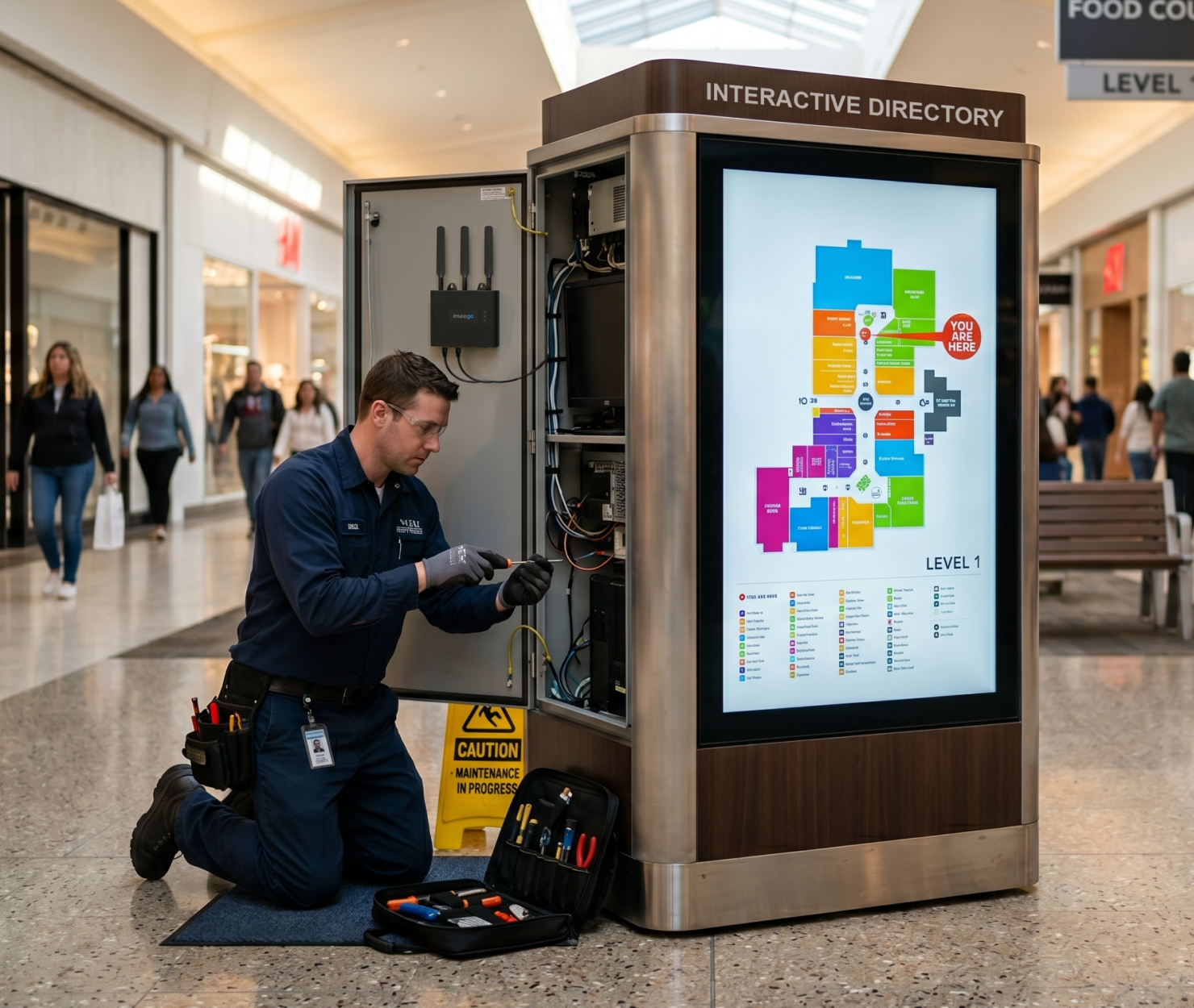
Compact kiosk & vending machine integration with the Skyus 160
Embedded industrial-grade connectivity for interactive self-service kiosks
Modern shopping malls and big-box outlets rely heavily on standalone digital kiosks, automated vending systems, and self-checkout stations. The Inseego Skyus 160 features a semi-ruggedized, highly compact footprint designed to slide into cramped, unventilated internal electronics bays. Providing a dedicated Cat 6 LTE connection, it ensures these customer-facing endpoints maintain immediate, secure connectivity back to payment gateways and cloud updates without needing to tap into a mall's unreliable public infrastructure.
Integrated 12-hour battery backup for uninterrupted pop-up register mobility
Seasonal mall kiosks, outdoor sidewalk sales, and festival pop-up shops need the freedom to reposition their checkout points without losing connection or power. Equipped with an internal 4400 mAh backup battery, the gateway can run cordlessly for up to 12 hours. This provides temporary retail stations with a mobile data pipe, ensuring that card processing and real-time sales tracking stay continuously active even during building power cuts or grid reconfigurations.
GPS-enabled for temporary pop-up and asset tracking
Temporary pop-up kiosks, seasonal patio markets, and outdoor venue booths rely on precise location data to verify hardware placement and synchronize localized inventory data with core e-commerce systems. The gateway includes an active aGNSS receiver (GPS, GLONASS, Galileo) that tracks device coordinates across major metropolitan regions. This provides corporate asset managers with real-time verification of where active registers are deployed, streamlining inventory logistics across distributed temporary sites.
Vibration-resistant chassis for automated in-store inventory robotics
To track stock on smart shelves, some larger retailers use moving floor-scanning robotics and automated inventory assistants. The Skyus 160 is built with a compact, vibration-resistant housing that mounts directly into moving storefront and warehouse machinery. This design maintains a stable physical connection to the internal electronics, ensuring continuous real-time communication as the automated hardware navigates aisles and floor thresholds.
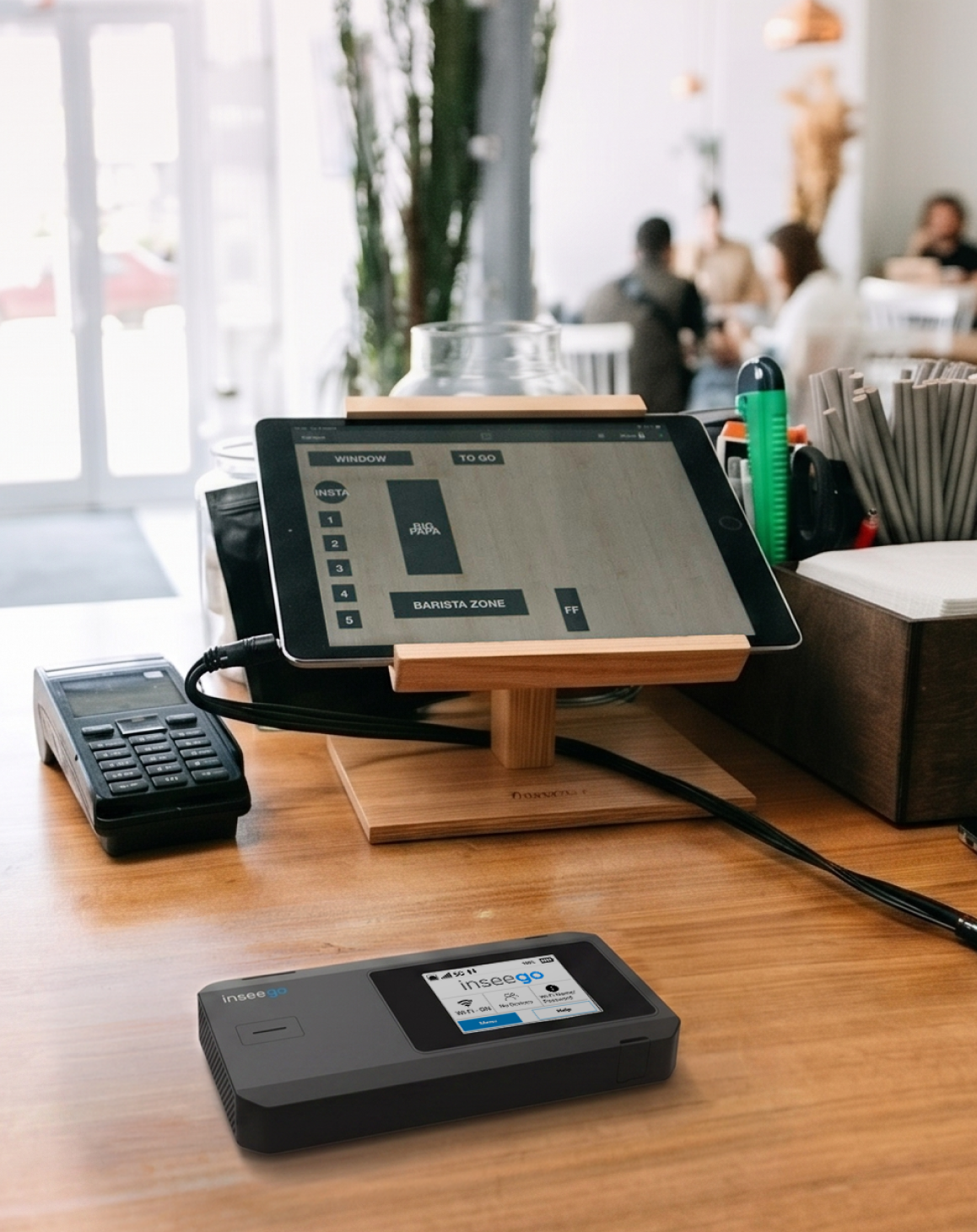
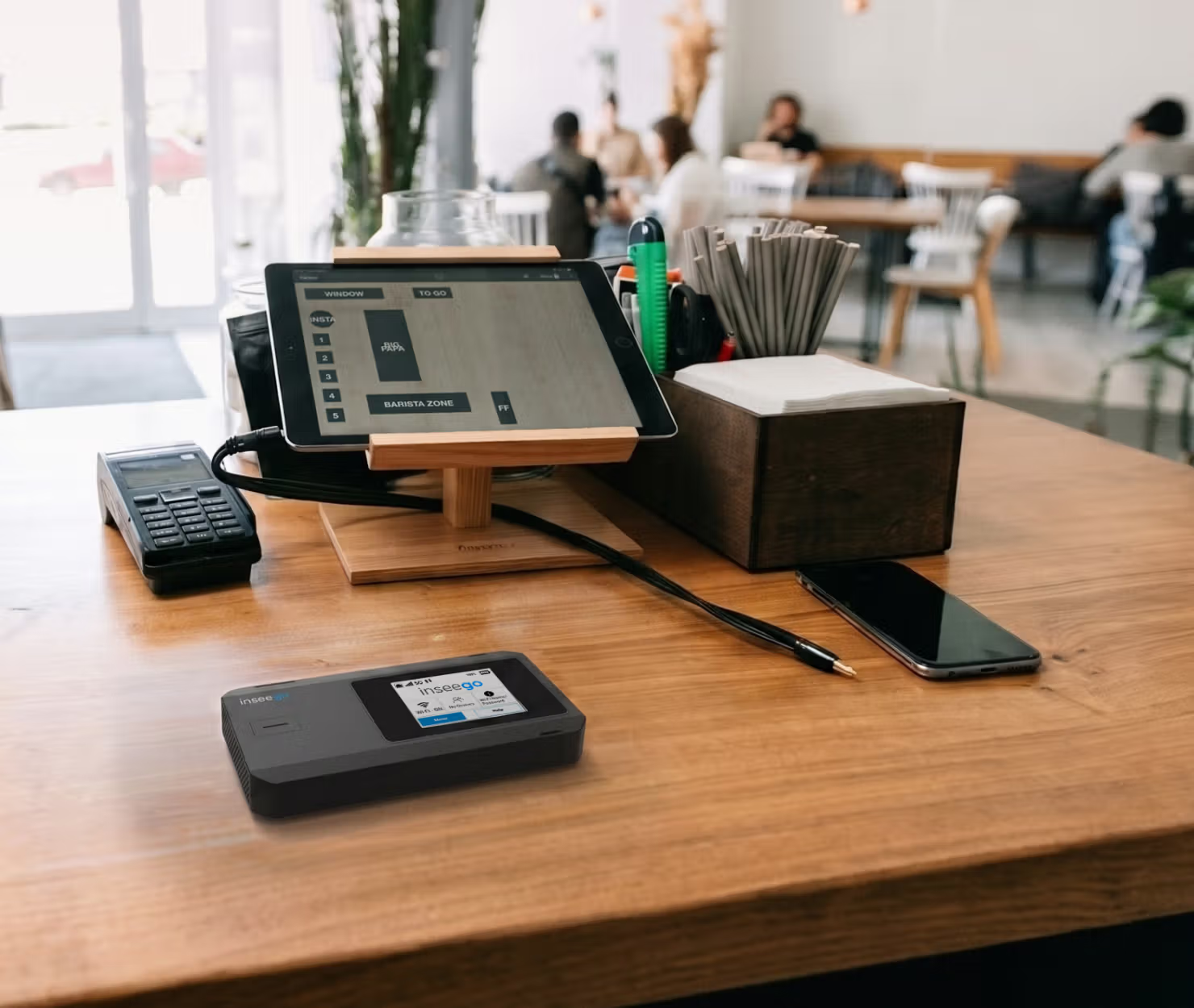
Secure on-the-go mobile checkout with the MiFi PRO M4
Battery-less configuration for permanent kiosks and digital display fixtures
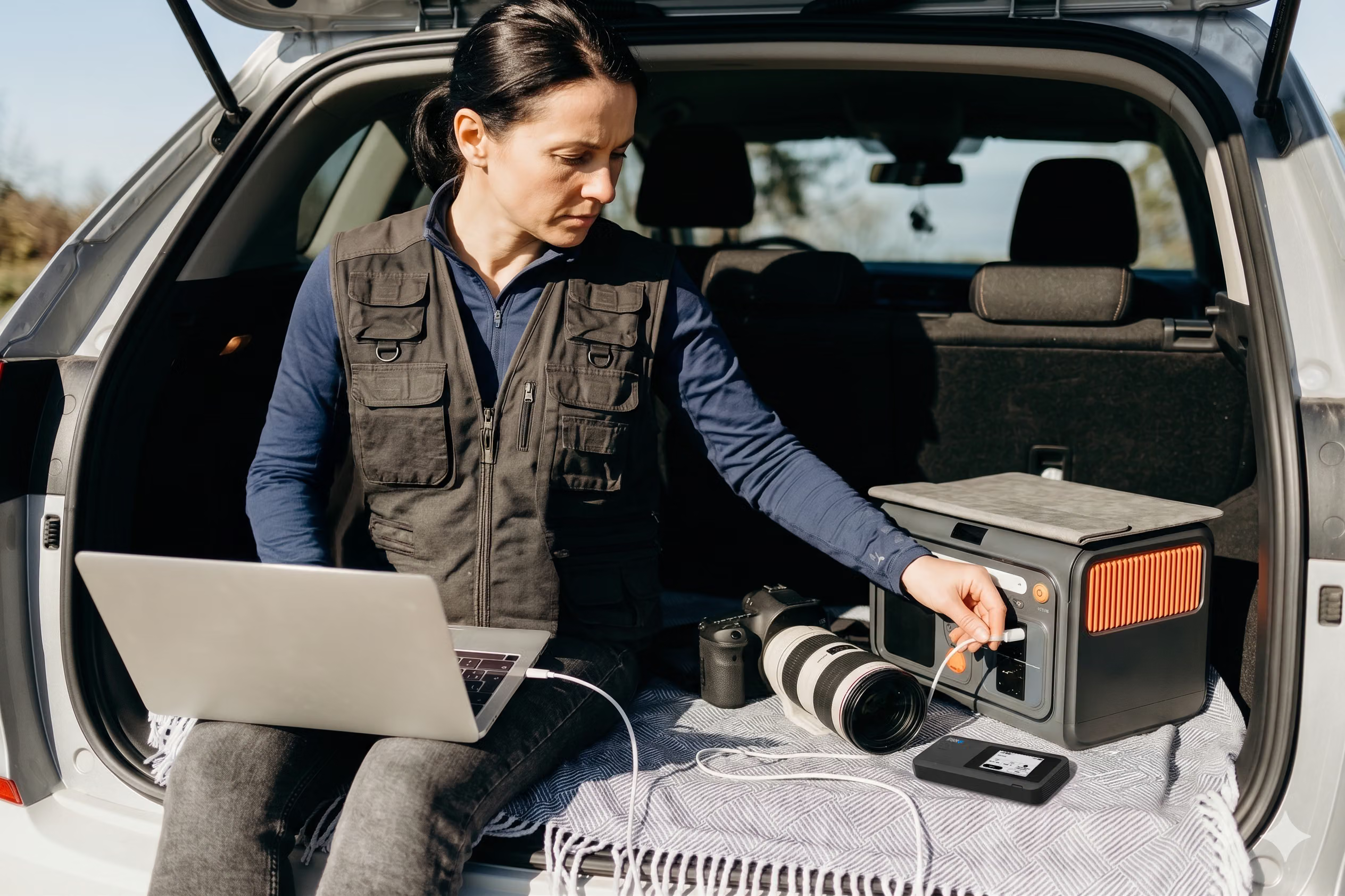
Retailers setting up seasonal pop-up shops or center-aisle kiosks inside shopping malls often face long delays or high fees to tap into the venue's shared internet infrastructure. Instead, they deploy the hotspot to run their entire digital setup. The FIPS 140-3 certified security keeps credit card processing PCI-compliant, while the high-speed 5G connectivity ensures that tablet-based point-of-sale apps sync with inventory databases instantly.
Onsite internet for new store build-outs and construction teams
Before a new retail branch opens, corporate IT and construction crews need a data connection to configure hardware and coordinate blueprints. Because corporate fiber lines are rarely active until right before launch, teams use the hotspot to connect laptops, inventory scanners, and security cameras during the build-out phase. Once the store is finalized, the device is frequently kept on-site as an emergency internet backup.
Connecting legacy wired equipment in reconfigured store layouts
When remodeling a sales floor or moving a customer service desk, running new Ethernet drops through concrete floors or plaster walls is expensive and time-consuming. Retailers plug older, wired-only hardware—such as desktop receipt printers or legacy inventory docking stations, directly into the hotspot's 1 Gbps RJ45 Ethernet port. This instantly bridges the legacy hardware onto the wireless network, allowing floor layouts to change without expensive construction.
Wi-Fi 7 connectivity for mobile point-of-sale registers
During peak shopping hours, fixed checkout lines can become congested, impacting the customer experience. Store associates can use the Inseego MiFi PRO M4 to set up temporary, mobile checkout stations anywhere on the sales floor. The device supports up to 50 simultaneous connections over Wi-Fi 7, linking multiple handheld card readers, inventory tablets, and mobile receipt printers without local wireless bottlenecks.
FIPS 140-3 hardware security for PCI compliance and transaction protection
Processing credit card payments and capturing customer profiles on the sales floor requires secure data transmission. The mobile router integrates FIPS 140-3 certified hardware encryption modules, multi-SSID isolation, and VPN support. This ensures that sensitive transactional data remains isolated and compliant with retail security standards when transmitted over the 5G network.
The Inseego tools that let you focus on business
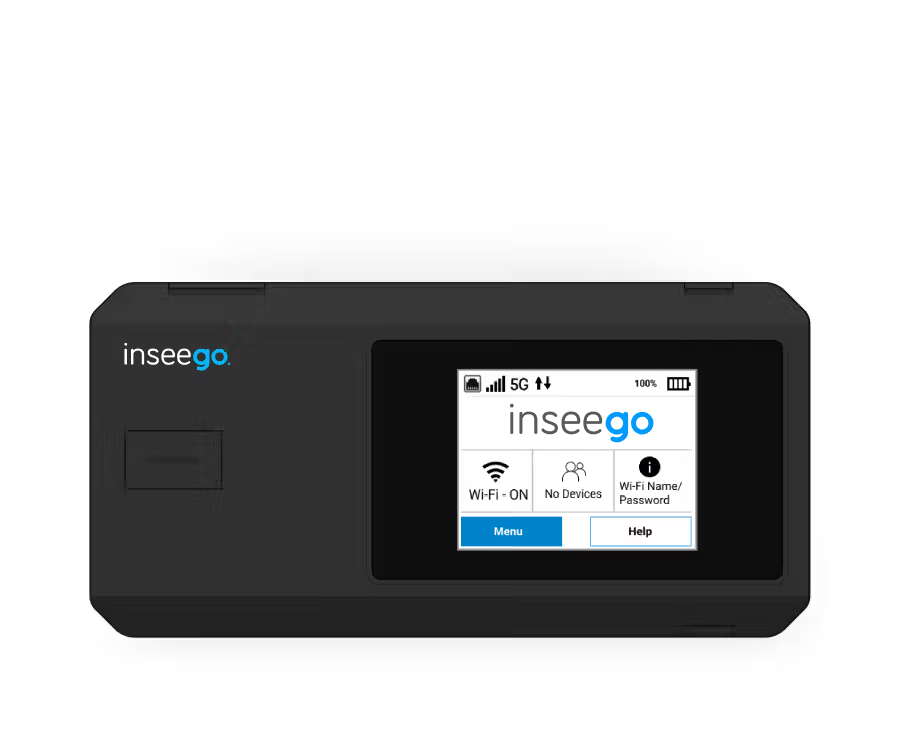
Inseego MiFi™ PRO M4
Secure while stationary. Secure while mobile. Secure throughout the edge.
See device details
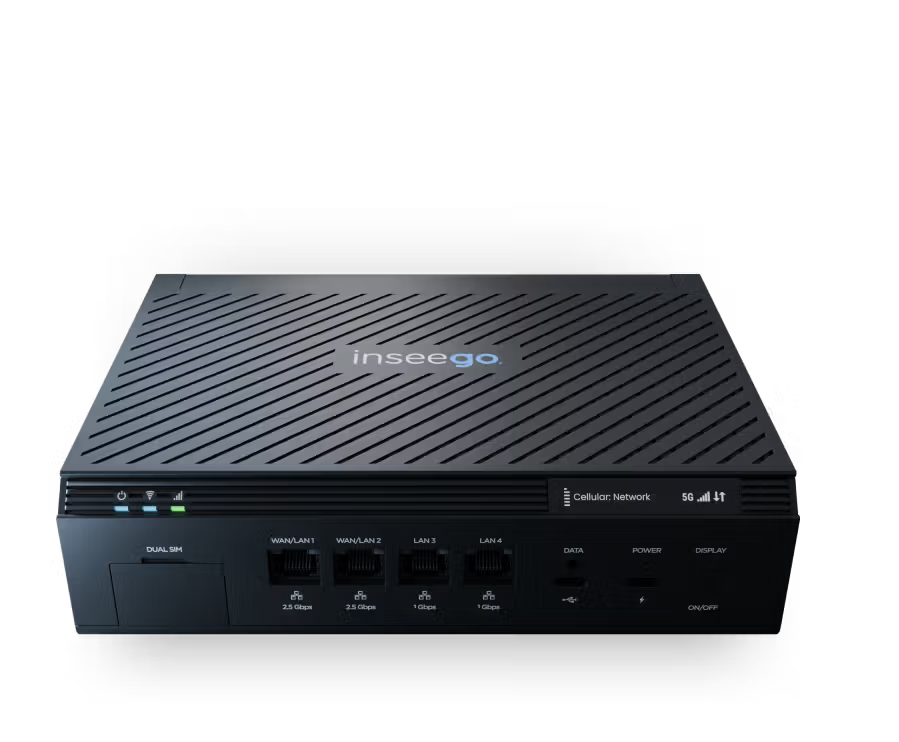
Inseego Wavemaker™ FX4200
Powerful 5G and failover that's simple to deploy, with all the cloud management features your network needs.
See device details
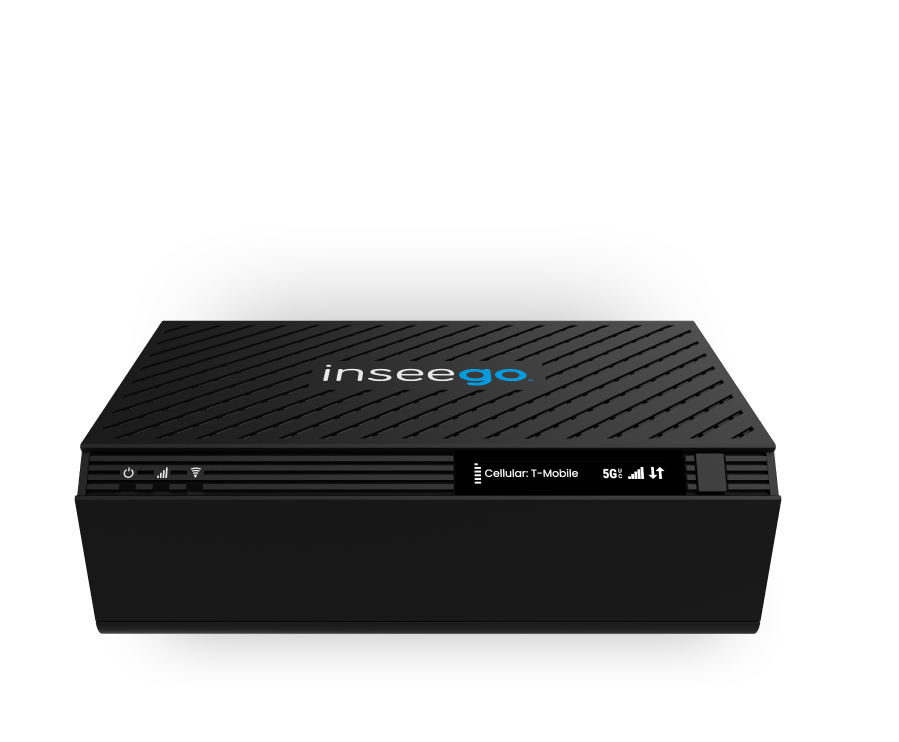
Inseego Wavemaker™ FX4100
Future-proof your business network with advanced 5G capabilities & Wi-Fi 7
See product details
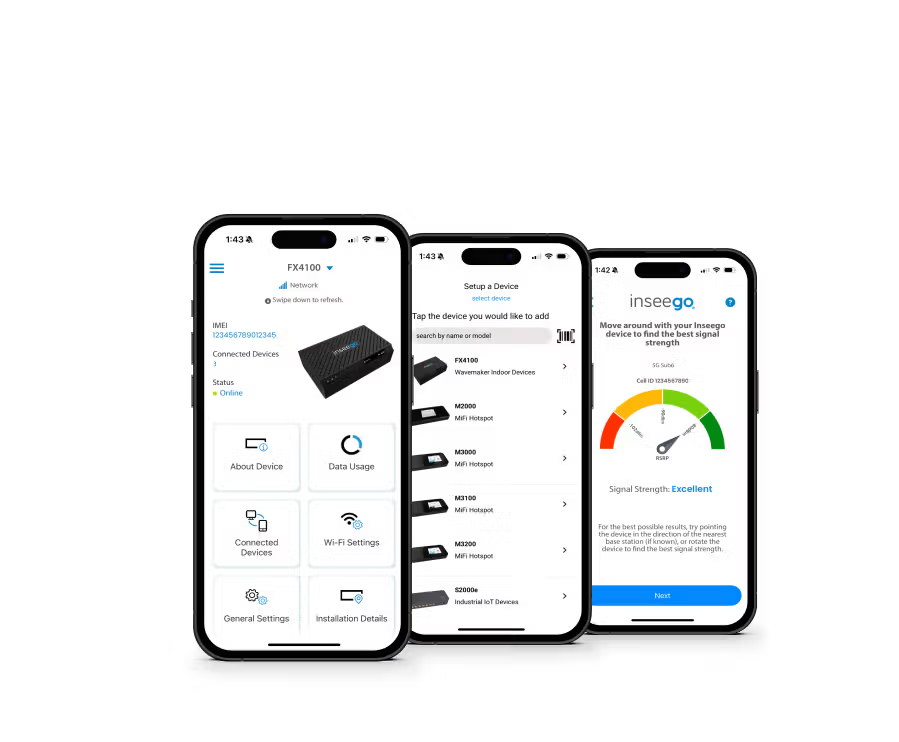
Inseego Mobile™ app
Simplify device setup and remote management capabilities with our mobile app.
See product details
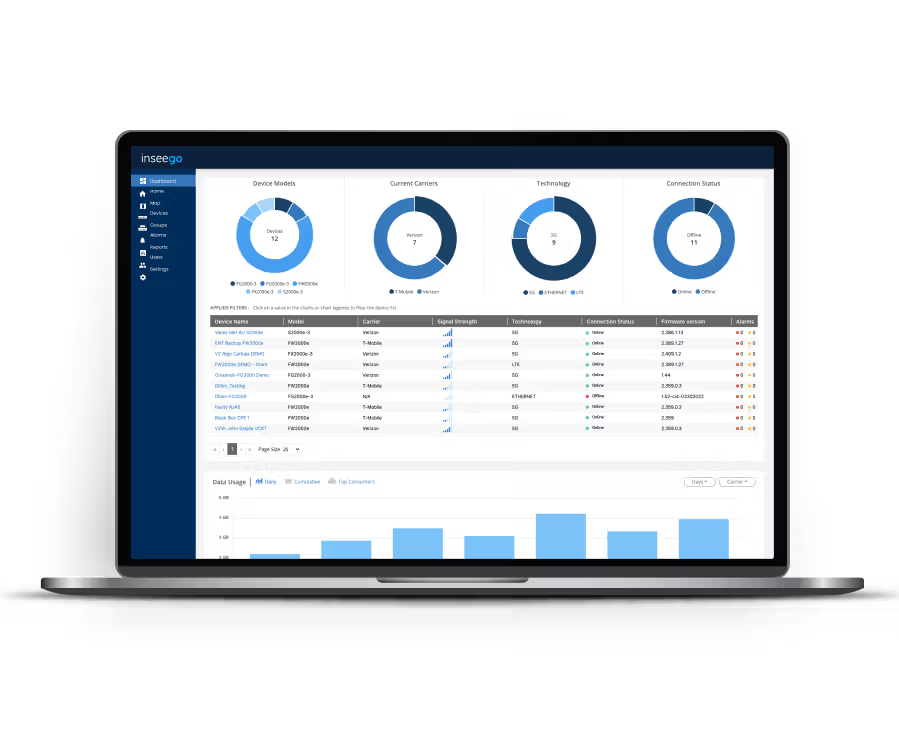
Inseego Connect™
A centralized cloud platform designed to manage the entire enterprise wireless edge with the Inseego portfolio
See product details
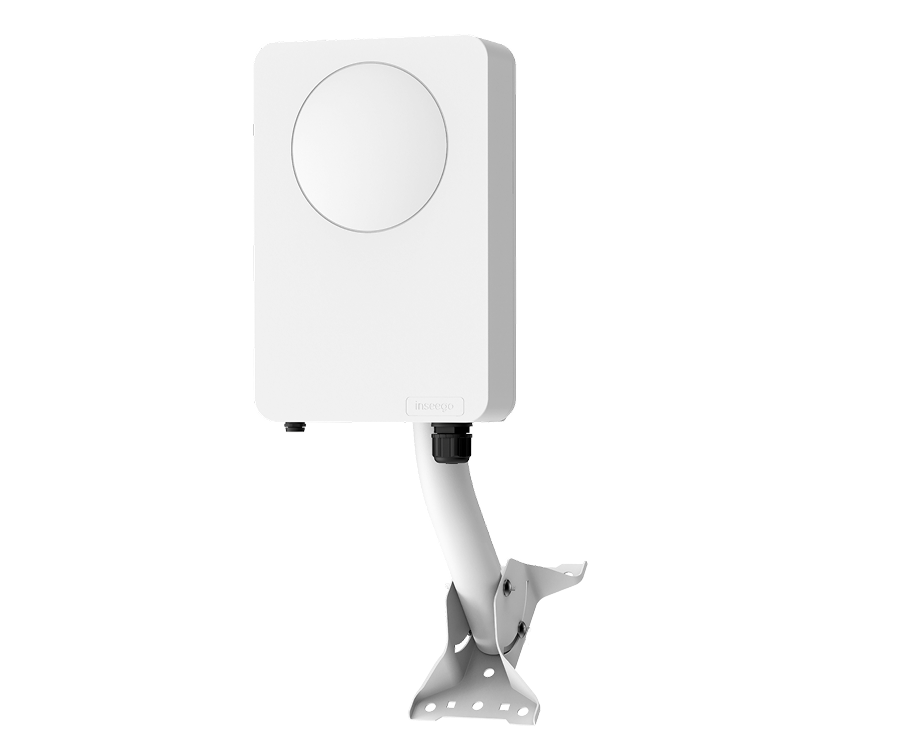
Inseego Wavemaker™ 5G Outdoor CPE FW3000
Rugged, high-gain outdoor 5G with easy plug-and-play setup.
See product details
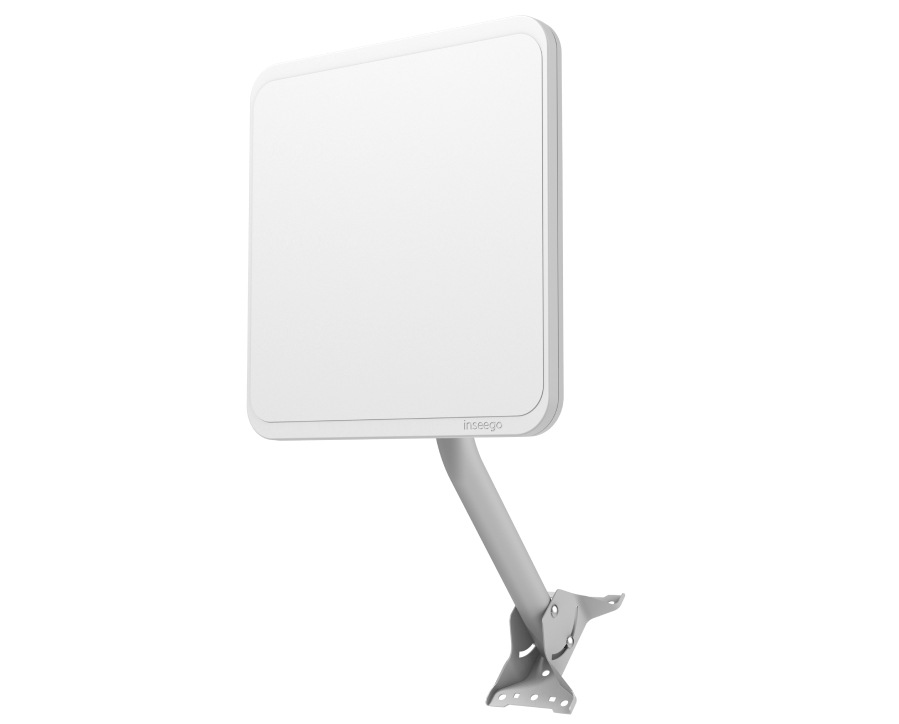
Inseego Wavemaker™ 5G Outdoor CPE FW2000
Long-range. Rugged. Reliable 5G antenna.
See product details
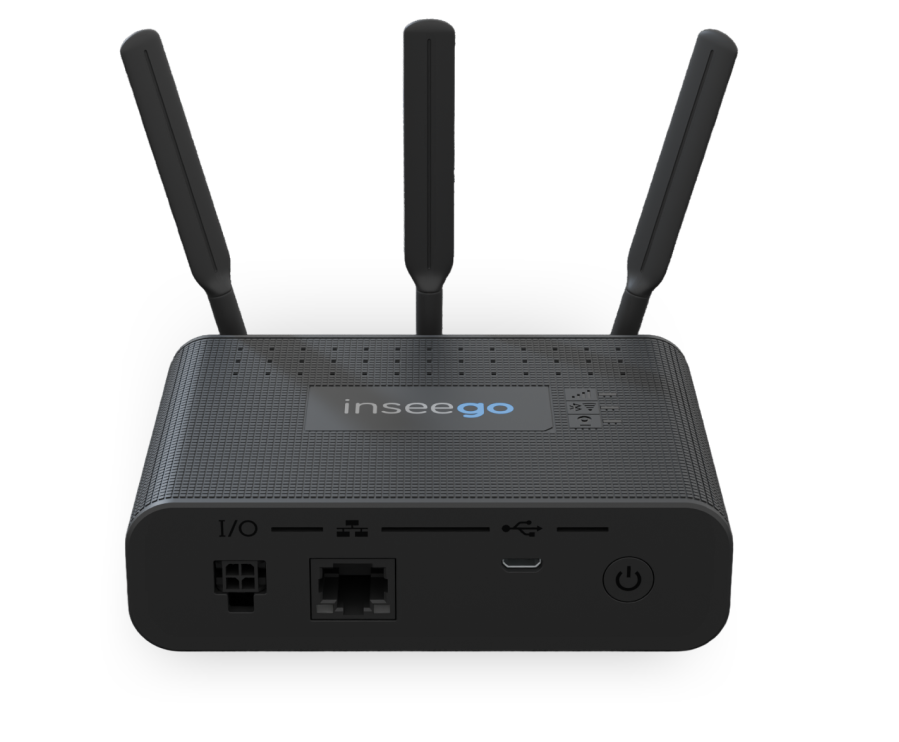
Inseego Skyus 160 IoT gateway
All-in-one solution for versatile, reliable, and secure IoT connectivity.
See product details
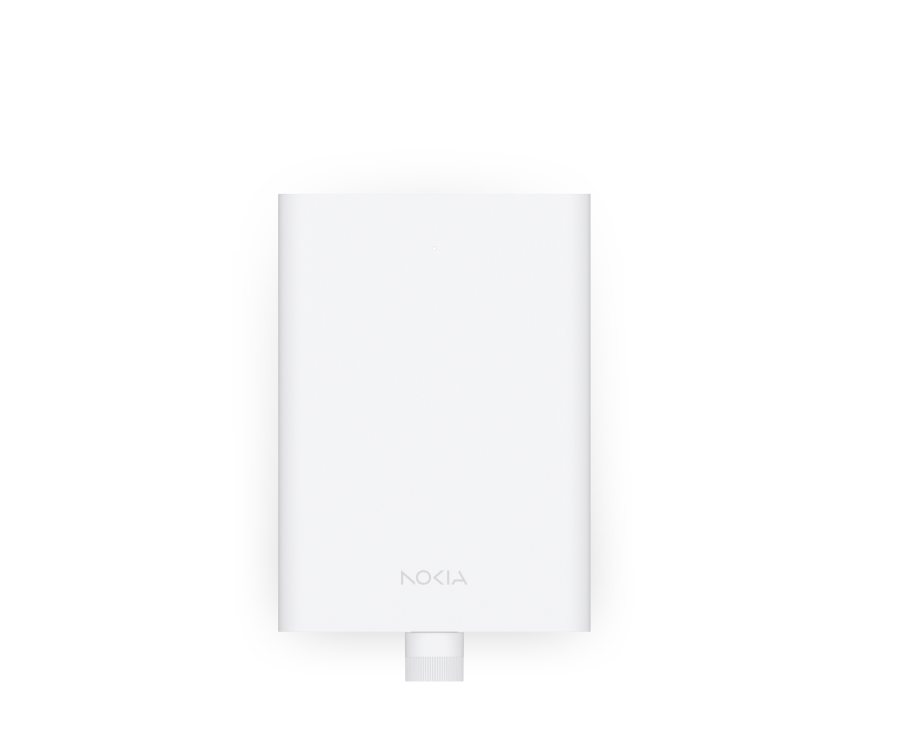
FastMile self-install receivers
High-performance indoor and outdoor broadband designed for flexible, effortless self-installation.
See product details
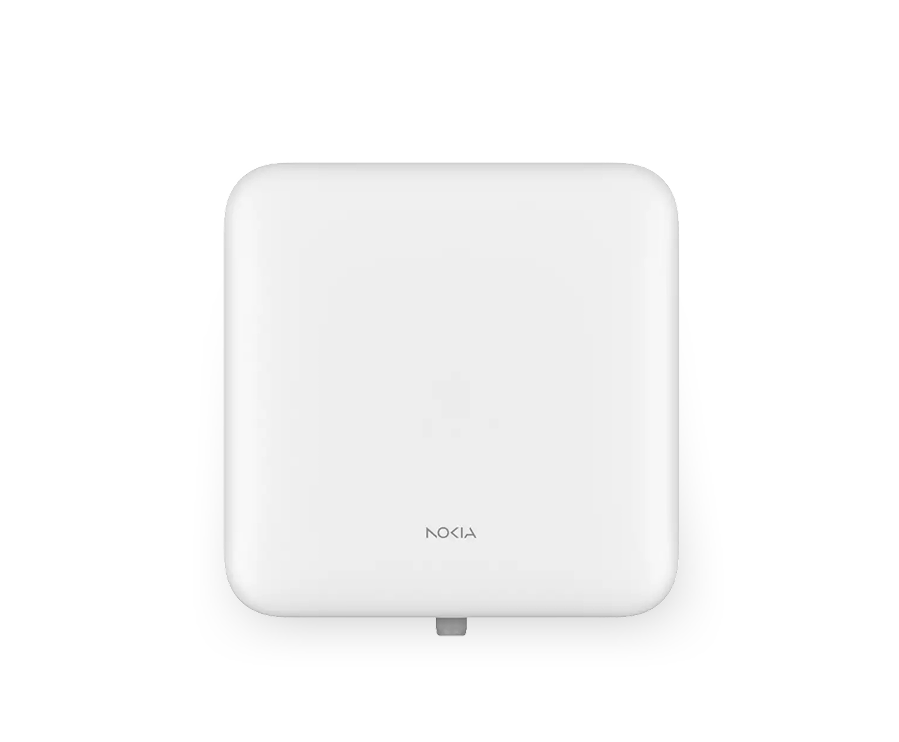
FastMile outdoor high-gain receiver
Long-range, high-gain outdoor broadband that extends 5G speeds to distant homes and businesses.
See product details
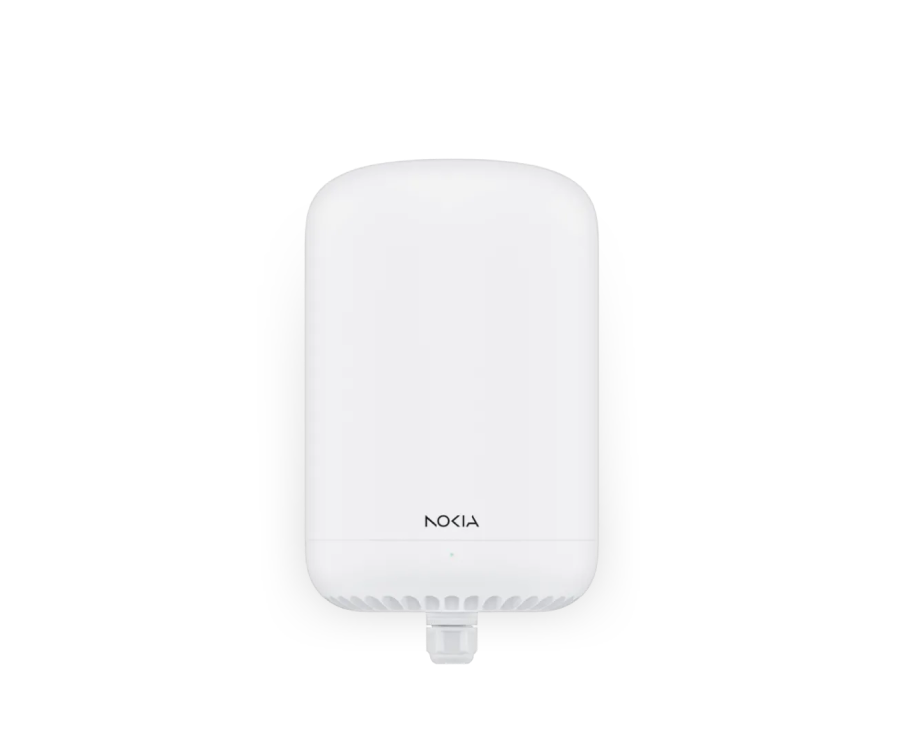
FastMile mmWave receiver
Put mmWave & CBRS to work for Fixed Wireless Access broadband service.
See product details
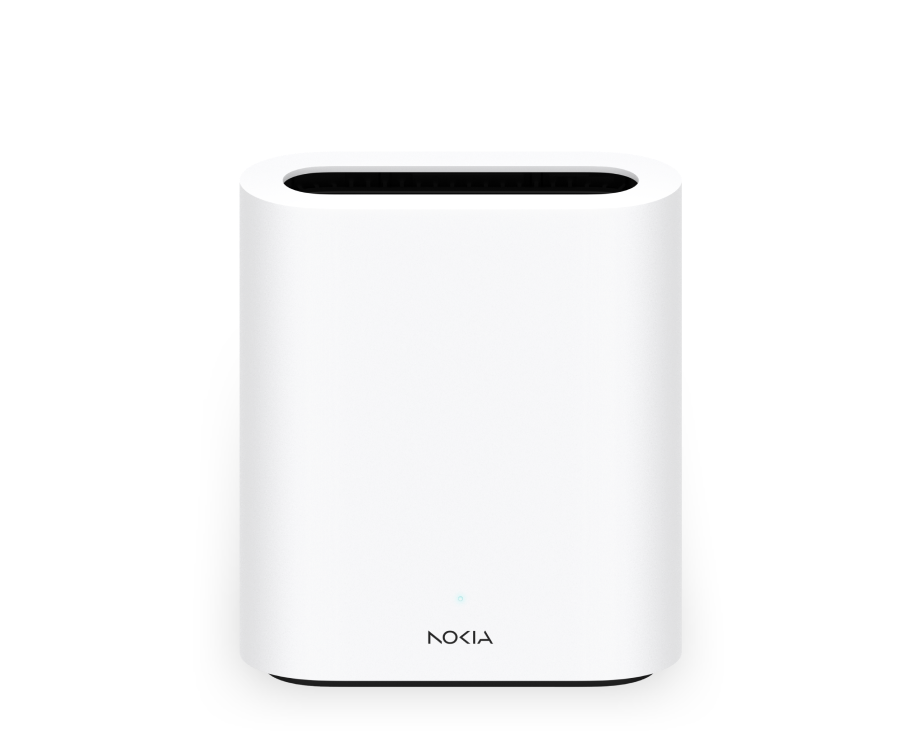
FastMile Gateway Wi-Fi 7
High-performance tri-band Wi-Fi 7 for hyper-connected household
See product details
FastMile Gateway Wi-Fi 6
High-performance dual-band Wi-Fi 6 for hyper-connected households
See product details
Global wireless edge connectivity

Simple to deploy, simple to operate
Guided self-installation tools and centralized cloud management eliminate operational friction, making broadband effortless to deploy and maintain.
Learn more
Comprehensive wireless broadband portfolio
A unified lineup of routers, gateways, receivers, adapters, and hotspots allows providers to serve every customer segment through a single trusted platform.
Learn more
Performance, scale, and global networks
Advanced engineering delivers superior signal quality and reliable connectivity designed to scale to global networks and as technologies evolve.
Learn more
Platform for carrier operations
Subscriber-lifecycle management, open APIs, and cloud orchestration simplify operations beyond hardware, helping providers scale enterprise services efficiently.
Learn more
Strategic wireless partner
Over 25 years of mobile broadband experience drives collaborative innovation, helping providers navigate network evolution and long-term growth.
Learn moreFrequently asked questions
How does the FX4200 handle automated switching if a store's primary broadband fails?
The Inseego Wavemaker FX4200 features intelligent Dual-WAN automated failover logic. By routing a branch's primary wireline internet into one of the multi-gigabit RJ45 Ethernet ports, the hardware continuously monitors line status. If a fiber cut or service provider disruption occurs, the device immediately transitions the storefront’s point-of-sale registers and transactional data planes to a 5G network within milliseconds. Once the wireline connection stabilizes, an automated failback rule returns the store network to its original routing topology.
Why should a retailer use an outdoor CPE like the FW2000 or FW3000 instead of an indoor gateway?
Many physical stores are built with reinforced concrete, steel beams, and low-E energy-efficient glass, which heavily degrade indoor cellular signal penetration. The Inseego Wavemaker FW2000 and FW3000 solve this by mounting directly to the building’s exterior roof or facade. By capturing clean, outdoor 5G connectivity via high-gain antennas and dropping it inside using Power-over-Ethernet (PoE), these devices bypass structural barriers to provide high-bandwidth internet to rural storefronts and dense urban locations alike.
Can the Skyus 160 keep a mall kiosk or checkout registers online during a power outage?
Yes. The Inseego Skyus 160 is engineered for persistent internet of things and transactional connectivity. It includes an integrated, removable 4400 mAh lithium-ion internal backup battery. If a shopping mall suffers an electrical failure or an associate accidentally disconnects the main power cable to a kiosk, the gateway immediately switches to battery power, keeping credit card processing, inventory management, and real-time sales tracking active for up to 12 hours.
How can a retail IT teams manage thousands of store routers without traveling to individual sites?
Retail networks leverage Inseego Connect for true zero-touch provisioning and remote orchestration. Rather than sending specialized network technicians to configure individual routers at each branch, administrators build standardized security, Wi-Fi, and carrier profiles inside the cloud management portal. When unconfigured edge hardware arrives at a new retail location, store employees simply plug it in; the hardware checks into the cloud via its cellular connection, pulls its assigned template, and configures itself automatically.
Can the MiFi PRO M4 safely process customer credit cards over a cellular network?
Yes. The Inseego MiFi PRO M4 is designed with enterprise-grade data protection, featuring built-in FIPS 140-3 certified hardware encryption modules, advanced VPN protocols, and multi-SSID isolation. When store associates use the hotspot for roaming registers or temporary pop-up shops, the device creates a secure, encrypted tunnel directly back to the payment processor. This isolates credit card data from public cellular traffic and ensures strict PCI compliance on the sales floor.
Resources & news
Find out what’s new in the 5G space

Case study
Reliable POTS replacement for critical infrastructure in senior living communities with the Inseego FX3110 indoor router
Read more
News
Inseego Launches New MiFi PRO M4335 for Verizon Fixed Wireless Access, Bringing Internet On-the-Go to Businesses
Read more

Blog
What is CMMC 2.0 and why does it matter for federal networks?
Read more